
Frequently Asked Questions In China Manufacturing
Providing Answers to Common CNC Manufacturing Questions
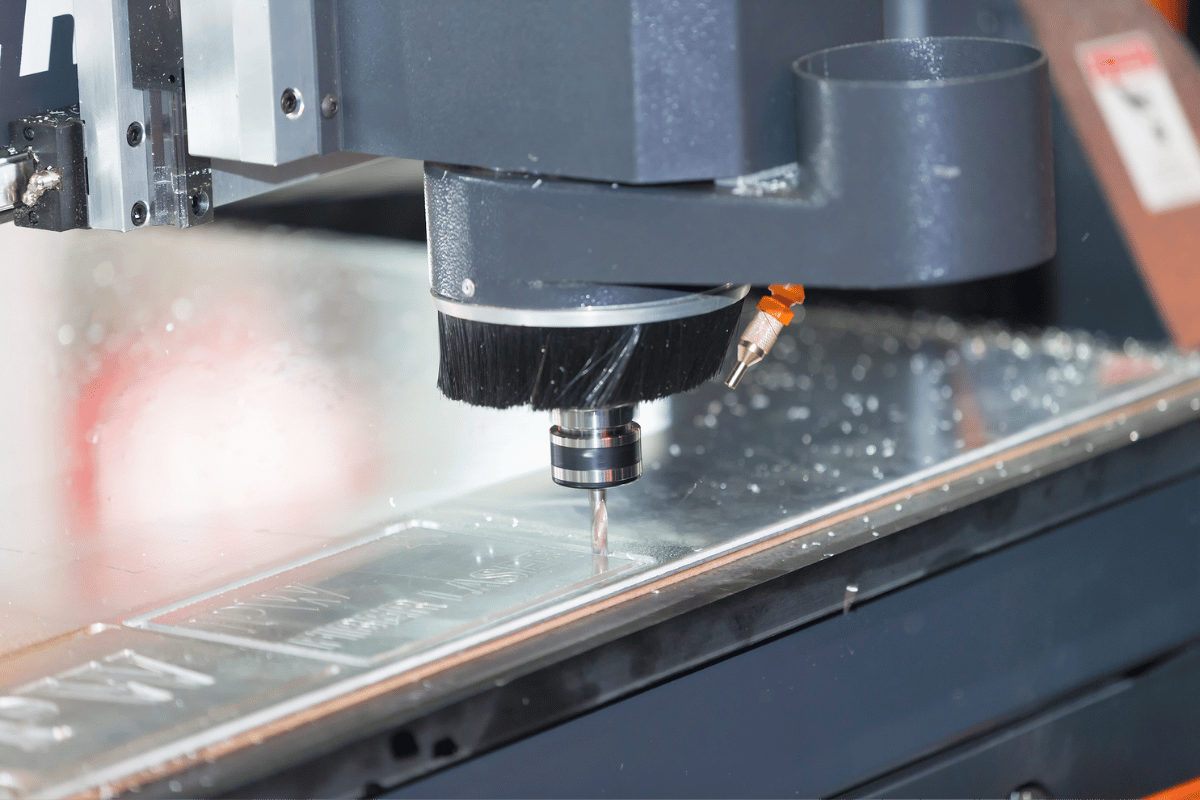
CNC Machining FAQS
As of 2019 we have been in business for 12 years.At Ruitai Precision, we have years of experience with all elements of CNC Machining and OEM component services. We aways promote exceptional customer service, which is why we’re answering your frequently asked questions about our services and capabilities. Read all about CNC Machining FAQS now!
Ans: CNC (Consumer Numerical Control) milling and machining is a process in which high tech software creates parts or components for manufacturing. These parts tend to be more accurate and of higher quality than if they were produced using other manufacturing methods. As a result, CNC machined parts are used in industries which rely on absolute accuracy, including aerospace and auto production. The CNC machines used by Ruitai Precision are capable of delivering smaller, delicate components.learn our Turning&Milling case studies
Ans: Many industries benefit from CNC machining, though they are far more necessary in some fields than others. Different CNC machines are capable of different levels of detail during production. For the aerospace/auto/bike/Medical industry, this is essential to their highly specified design plans. There is no room for error when launching a rocket or flying a plan, and CNC machined components from Reeti Factory are made to be as precise as possible.
Ans: Capabilities include CNC machining, lathe work, turning, shearing, sawing, forming, punching, milling, drilling, reaming, tapping, routing, broaching and screw machining. Parts such as precision parts, molded parts and components can be machined and fabricated. Reverse engineering, deburring, sanding, buffing, glue laminating, insert installation and assembly services are also available. If you are not sure which method would be best for your parts, just ask our experienced technicians and we will happily assist you.
Ans: It’s hard to define an “average” job at Reeti because we work with many different materials and processes. We specialize in fast turnaround times for milling and cutting projects, often completing jobs much quicker than typical machining companies. Because we handle most processes in-house, we can manage large parts or even the whole project, saving our customers the time and hassle of coordinating with multiple companies.
We work with a variety of metal materials, including cast and stainless steel, aluminum, brass, bronze, copper, alloys, and cast iron. We offer turning, milling, and short-run prototyping services. For plastics, we handle materials like laminates, phenolic, glass, fishpaper, vulcanized fiber, Nomex®, Mylar®, nylon, acetyl, UHMW, PTFE, glass polyester, acrylic, polycarbonate, and refractory materials.
Ans: Our main expertise is in machining aluminum alloys. We also have some experience working with nickel-based alloys like titanium, magnesium, and Inconel.
Ans: We’re happy to work with you in any way that suits you. We have strong design and engineering skills, so whether you have a basic idea or a simple sketch, we can turn it into finished parts or assemblies that meet your needs.
Ans: Our rates depend on the process used, and since we use many different processes at Reeti, costs can vary. Calculating costs based on general factory rates assumes all factories work the same way with similar staff and equipment, which isn’t true. We prefer to give you a price after carefully reviewing your drawings. This method gives you a much better value.
Ans: It’s hard to define an “average” job at Reeti because we work with so many different materials and processes. We’re known for quick-turnaround milling and cutting, often finishing projects faster than typical machining companies. Since we handle most processes in-house, we can complete the whole project (or a big part of it), saving customers time and the hassle of dealing with multiple companies.
Depending on the complexity of the part and our availability, our usual lead times are between 2 and 6 weeks after receiving an order.
Ans: If the project involves 2D profile cutting, we prefer DXF files. For 3D machined parts, we prefer STP or Parasolid files. We accept files from software like SOLIDWORKS, CAD, and similar programs.
Request a Quote for Precision Parts
Do you need a quote for your high-precision part? Contact us now by phone, email, or through our contact form.
 Arabic
  English
  Spanish
  Russian
  Japanese
  Portuguese
  Italian
  French
  Esperanto
  German